
How to Make Deep Fried Memes - Free Online Deep Fryer Tool
A deep fried meme is what happens when a regular meme gets run through a deep fryer — saturation cranked until colors bleed into each other, contrast blown out so whites glow and blacks crush, JPEG artifacts layered on top of JPEG artifacts until the image looks like it was screenshotted 47 times. The format was essentially invented on r/deepfriedmemes and it's been a staple of shitposting ever since.
I run the meme deep fryer at lowqualitymemes.com, and after seeing roughly a zillion images get dragged through the fryer, I've put together everything you actually need to know: what counts as deep fried vs. just kinda crunchy, the exact steps to nail the look, and how to push it from "slightly toasted" into "fully charred ear-rape territory" without making it unreadable.
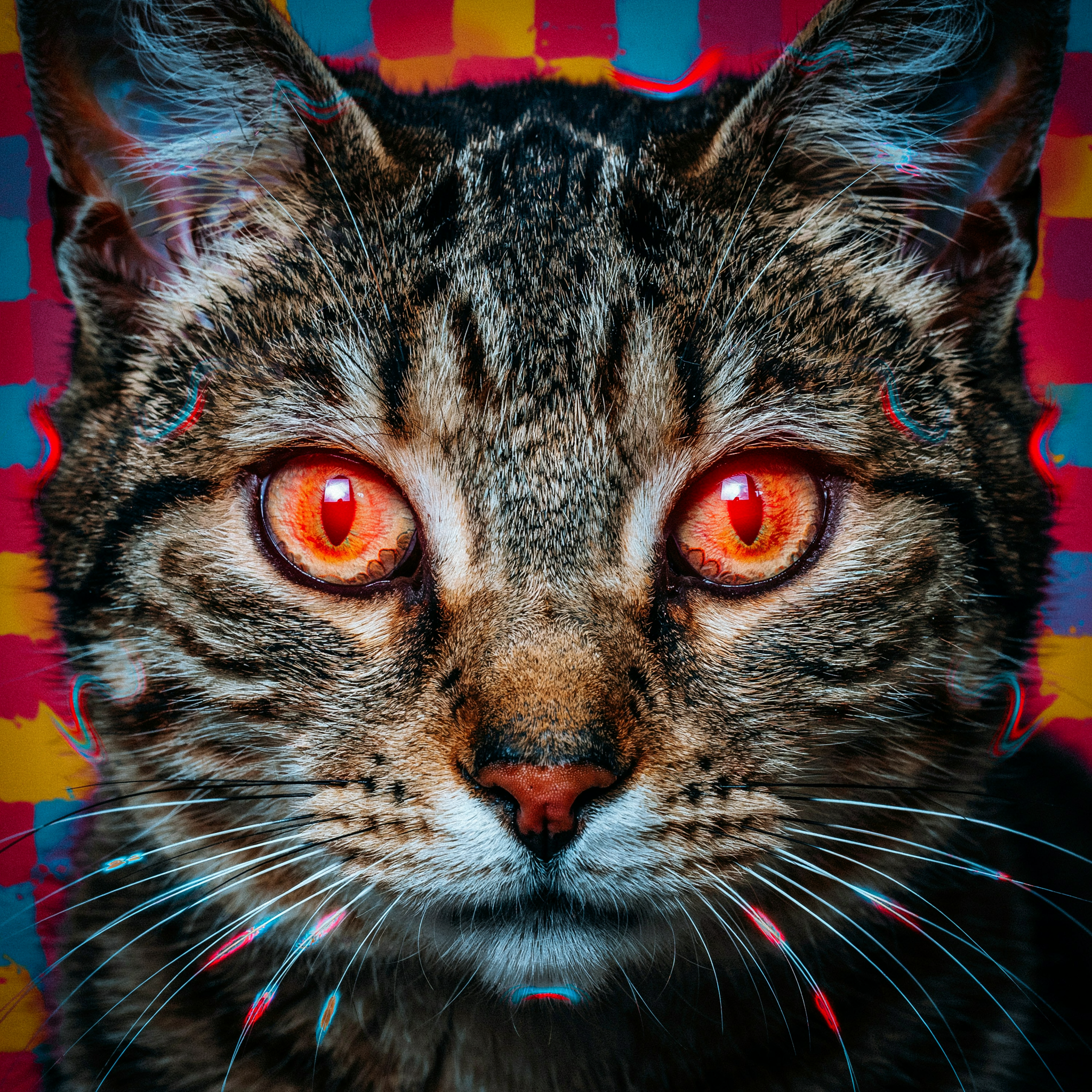
What Is a Deep Fried Meme?
A deep fried meme is an intentionally over-processed image where the degradation is the joke. Saturation gets pushed past sane limits, contrast blows out, sharpening artifacts crawl across every edge, and the whole thing gets recompressed until the JPEG blocks become part of the aesthetic. The worse it looks, the funnier it lands — at least within the right context.
The style is distinct from related meme genres:
- Low quality memes — softer, more nostalgic. Think 144p or VHS energy. See our low quality image maker guide for the difference.
- Fried memes — the midpoint. Some saturation push, some artifacts, but still readable.
- Deep fried memes — fully committed. Colors bleed, eyes glow red, text gets crusty.
- Nuked / ear rape — beyond deep fried. Often involves bulge distortion and is barely recognizable.
The line between each tier is honestly a vibe check, but the community has consensus on what "deep fried" specifically means — and it's not just "kinda bad quality."
Why People Deep Fry Memes
The deep fried aesthetic isn't random — it's a specific comedic language. The genre exploded on Reddit around 2016–2018 and has since mutated into countless sub-variants. A few reasons it stuck:
- Irony overload. Deep frying signals that the meme is aware of itself. The visual chaos mirrors the comedic intent — the joke is layered, so the image should be too.
- Anti-aesthetic pushback. In an era of ultra-polished AI imagery and Instagram filters, deliberately wrecking an image reads as authentic.
- Layering meta-jokes. Each round of compression can add a layer — a new emoji, a new caption, a new bulge. The image gets funnier the more it's been "passed around."
- In-group signaling. Posting a properly deep fried meme tells the audience you know the genre. It's a shibboleth.
None of this is high art, but it is a real subculture with real conventions — which is exactly why a generic "make my image worse" filter doesn't quite nail the look. You need actual deep fry logic.
How to Deep Fry a Meme (Step by Step)
Here's the workflow in our free meme deep fryer. The same general process applies in any decent deep fry tool:
- Upload your source image. Start with a meme you want to ruin. Static images work best for your first few tries; GIFs and short videos work too but take longer to process.
- Push the saturation. This is the single biggest visual lever. Reds go neon, skin tones go orange, anything blue turns electric. Don't be shy — the saturation slider should live near the top.
- Blow out the contrast. Crush the blacks, blow the highlights. You want harsh edges and lost shadow detail.
- Add sharpening. Over-sharpening introduces halo artifacts around edges — exactly the crispy texture you want.
- Crush with JPEG compression. Re-compressing at quality 10–20% introduces the blocky artifacts that define the look. Stack 2–3 rounds if needed.
- Add red glowing eyes (optional but traditional). The classic deep fried meme has at least one pair of glowing red eyes. It's a genre convention at this point.
- Download. No watermark, no signup, no email gate. Save the result and post it to r/deepfriedmemes or wherever your audience lives.
Total time: maybe 30 seconds once you've done it a few times.
Advanced Deep Frying Techniques
Once you've nailed the basic deep fry, the genre has a handful of "advanced" tropes that push it into true shitposting territory:
- Bulge / lens distortion. Pinch and bulge effects warp faces into that classic "deep fried" melted look. Apply sparingly — too much and the image becomes unreadable.
- Emoji layering. Slap a cry-laughing emoji, a skull, or a 100 emoji on the image. The more ironic the placement, the better.
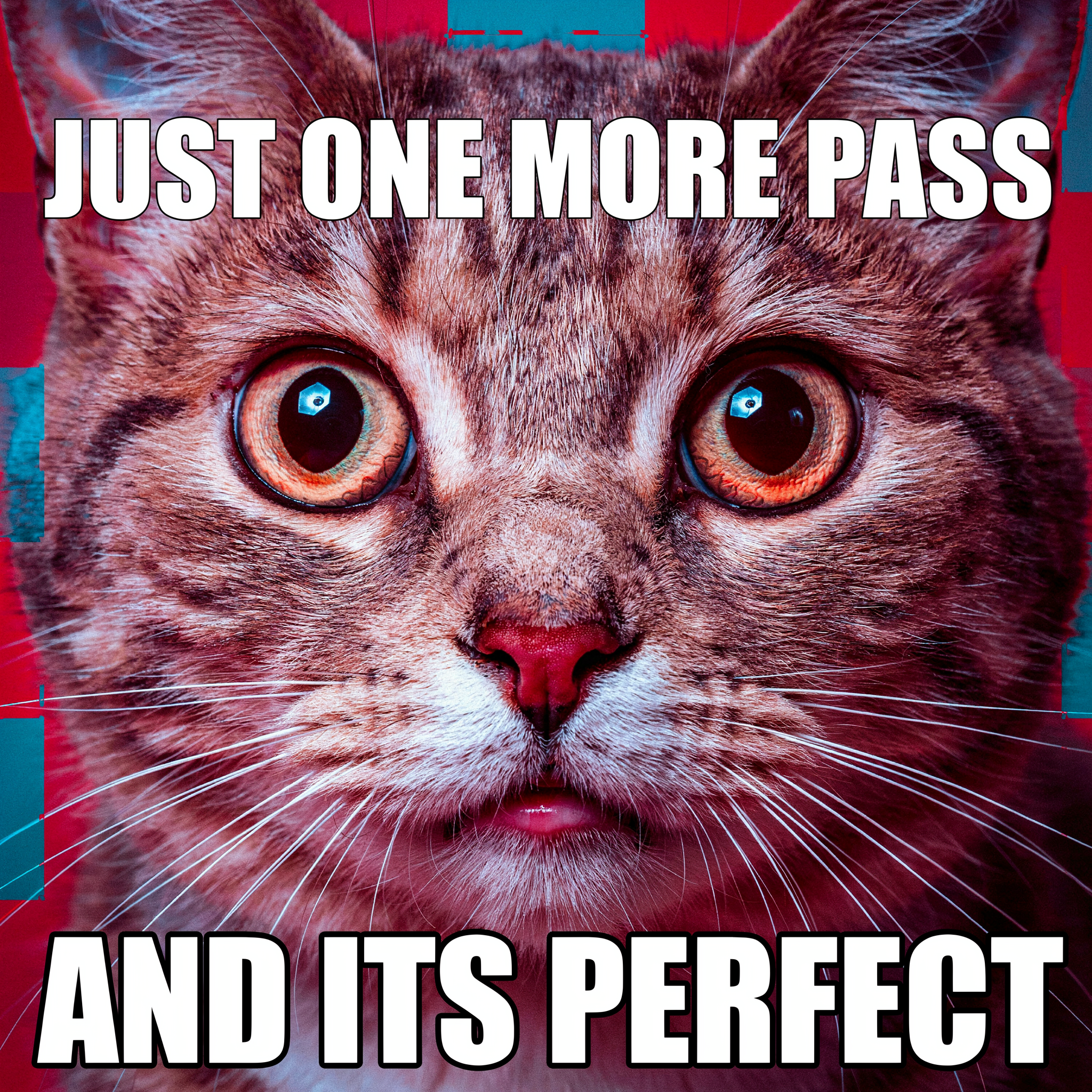
- Multi-pass frying. Run the output back through the deep fryer for round two. Each pass adds another layer of artifact. Three passes is usually the sweet spot before the image turns to mush.
- Caption crust. Add top/bottom text in Impact font, then deep fry the whole thing — text included — so the caption itself gets crispy. Use our image caption maker first if you need to add the text.
- Color-channel shift. Offset the red and blue channels slightly. It reads as both "broken TV" and "old scanner," perfect for the genre.
Common Deep Frying Mistakes
A few things that separate a properly fried meme from a mess:
- Going 100% on every slider. Maxing saturation, contrast, sharpening, and compression all at once turns the image to noise. Pick two or three to push hard.
- Forgetting to keep the joke readable. If the subject of the meme is unrecognizable, the joke dies. Crop tight before frying so the focal point survives.
- Saving as PNG. PNG is lossless — it actively fights the JPEG artifacts you want. Always export deep fried memes as JPG.
- Skipping the source quality check. Start with a clean, sharp image. Deep frying a blurry photo just produces a blurry-er photo, not a crispy meme.
- Not committing. A half-fried meme — where the saturation is pushed but the contrast isn't — reads as "broken image" rather than "deep fried." If you're going to fry, fry.
Free Deep Fried Meme Maker FAQ
Is the meme deep fryer actually free?
Yes. The tool at lowqualitymemes.com is completely free, with no signup and no watermark on the output. Upload, fry, download.
What's the difference between a deep fried meme and a low quality meme?
Low quality memes are about resolution and nostalgia — soft, pixelated, like an old phone screenshot. Deep fried memes are about over-processing — saturation blowout, contrast crush, JPEG artifacts stacked on artifacts. They overlap but they're not the same genre.
Can I deep fry a GIF or video?
Yes. The deep fryer handles animated GIFs and short MP4/WebM clips. The frying applies to every frame, so the animation stays intact.
Why do deep fried memes have red glowing eyes?
It's a genre convention that emerged from the original r/deepfriedmemes community. The glowing red eyes signal "this image has been through hell" — they're a visual punchline on their own. Most deep fry tools add them automatically.
Will deep fried memes work on Instagram / TikTok / Discord?
They work great on Discord and Reddit, where the genre is understood. Instagram and TikTok compression can sometimes "smooth out" the frying on upload — export at a slightly higher resolution than you think you need to compensate.
Start Frying
If you scrolled this far, you already know what you want: an image that looks like it was screenshots-and-passed-around-DMs for six months straight. Open the meme deep fryer, upload your image, and start pushing sliders until it's properly crispy.
Looking for adjacent moves? The low quality image maker guide covers the softer side of image destruction, and the 144p memes aesthetic guide explains the related-but-distinct lockscreen subculture.